


The Photophil Edge
A One-of-a-Kind Solution for Accelerating Plant Growth
Indoor farming is the fastest-growing segment in agriculture, expanding 13% annually, with the indoor berry market growing 27% inside it. The soft-fruit category alone represents a $300B global market. Most indoor operators remain limited to leafy greens, because conventional horticultural lighting cannot economically support the energy demands of higher-value crops.
Photophil’s protocol works across the full crop spectrum: soft fruits and berries, fruiting vegetables, leafy greens and herbs, and pharma. Same energy footprint, ready for vertical-farm and CEA deployment. Photophil is first to this layer of the stack, with proprietary scientific knowledge unmatched in the market today.
2006
Year Founded
IIA
Grant-Backed R&D
1
Patent Pending
Controlled
Trial Verified
Our Story
A Lighting Company That Started In a Plant Biology Lab
Dr. Gur Arie Yehuda Braun earned his PhD at the Weizmann Institute studying the biophysics of photosynthesis.
His research focused on what happens at the molecular level when a photon hits a leaf. The idea for the technology started as a result of the gap Dr. Braun observed in the existing horticultural lighting industry.
Plants evolved under the full range of solar wavelengths, that reaches roughly 2,500 nm at sea level. Mainstream horticultural LEDs stop around 850 nm. The half of the spectrum above that threshold has been treated, by most of the industry, as if it didn’t matter. Largely, because the equipment to test it properly hadn’t been built.
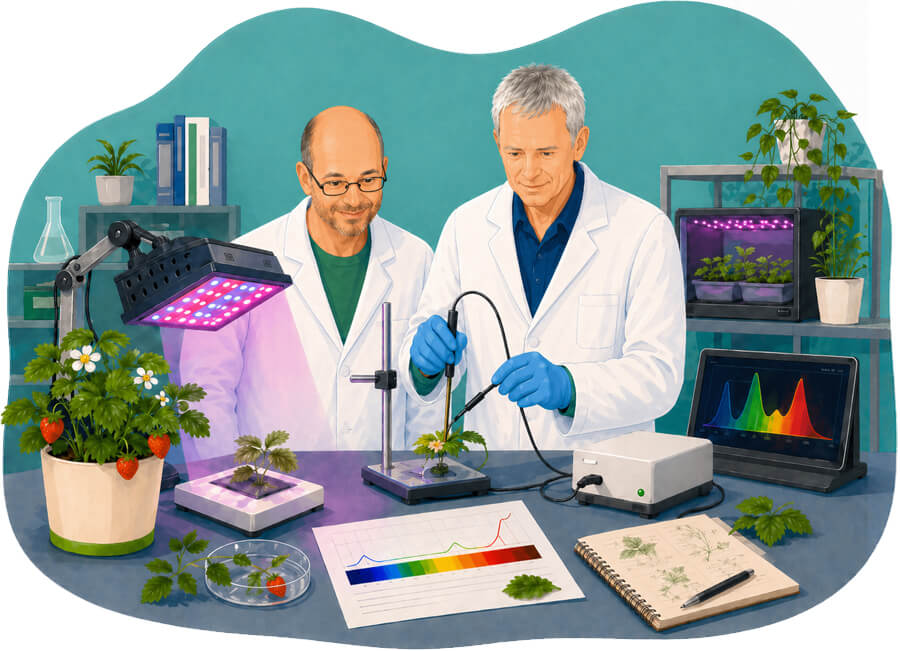
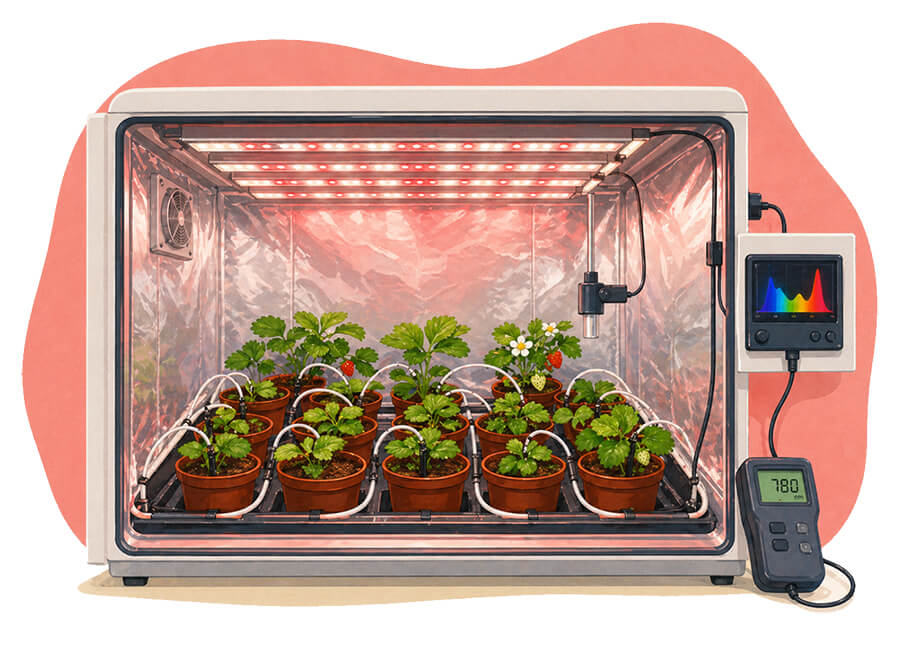
Testing it required a controlled trial.
The trial required six matched plant cohorts under distinct spectra, measured with identical calibrated instrumentation. No commercial system met those requirements.
Horticultural LEDs on the market could not produce measured intensities in the infrared, and photometers calibrated for those bands were not widely available. The hardware was developed in-house.
Dr. Braun collaborated with Pini Tobi, an Israeli lighting engineer and owner of Galgal HaOr, an industrial lighting and electrical-infrastructure firm. Galgal HaOr built the growth chambers to Photophil Dynamix’s specifications: a six-cell comparative configuration, three upper and three lower.
The strawberry trial ran for thirteen weeks across all six cells.
The advanced cell, operating with full IR and the darkness program engaged after the white-light cycle, produced 87% more fruit weight than the visible-only control.
Within the same trial, a cell with reduced IR coverage produced approximately half the fruit weight of the full-IR cell. The IR bands absent from conventional horticultural lighting accounted for most of the observed yield difference.
The Israel Innovation Authority awarded Photophil Dynamix a grant on the strength of the data. The protocol was filed for patent by Luzzato and Luzatto.
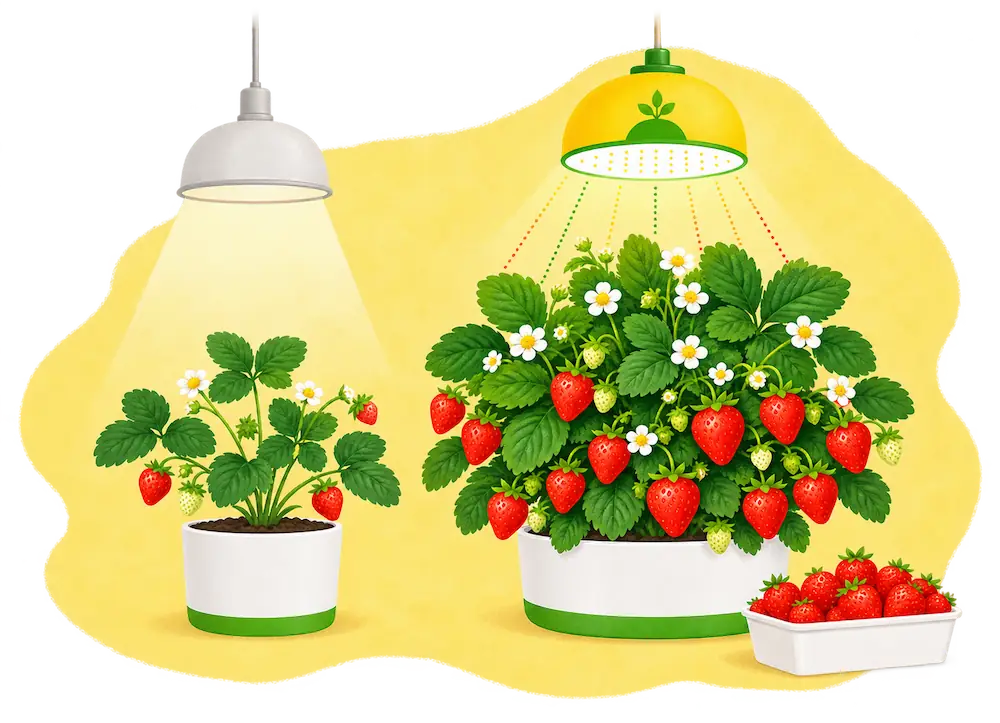
The Simulation
Same Plants, One Light, 90 Days
The Trial Data
Six Cells, Thirteen Weeks, One Continuous Weighing
* Cumulative fruit weight · strawberry trial · Grow-Tec growth chambers · Aug–Nov 2025.
Results
| Cell Number | Increase in Weight Relative to Control | Total Fruit Weight Per Cell | Average Size in Grams | Number of Fruits | Average Sugar (Brix) |
|---|---|---|---|---|---|
| 1-Control | 0% | 504.78 | 18.03 | 28 | 6.5 |
| 2 | 16% | 584.27 | 19.48 | 30 | 6.0 |
| 3 | -44% | 283.43 | 17.71 | 16 | 6.1 |
| 4 | -1% | 500.06 | 17.24 | 29 | 6.9 |
| 5 | 28% | 646.73 | 20.21 | 32 | 7.6 |
| 6 | 87% | 944.38 | 20.53 | 46 | 6.9 |
* Cell #1 was the control — received only regular lighting in the 430–720 nm frequency range.
** The protocol that the planned pilot will focus on.
Key Benefits
| Metric | Result | Comparison |
|---|---|---|
| Total fruit weight | +87% | Cell 6 (full IR program) vs. Cell 1 (visible-only control) |
| Spectrum-gap contribution | ~2× | Cell 6 (full IR) vs. Cell 4 (IR capped at 850 nm) |
| Harvest cycle time | 10 wks | Advanced programme vs. 13 weeks under standard lighting |
| Sugar concentration (Brix) | +30% | Measured at harvest with calibrated digital refractometer |
Commercial Outcomes
| Standard Lighting | Photophil Dynamix |
|---|---|
| 120 kg yield per m² per year | 210 kg yield per m² per year |
| 4 cycles growing cycles per year | 5 cycles growing cycles per year |
| 617 NIS profit per m² | 2,889 NIS profit per m² |
| 15.1 yrs payback period | 4.3 yrs payback period |
* Modelled on commercial vertical-farm strawberry economics; comparable benefits expected across all crops.
Explore The Trial
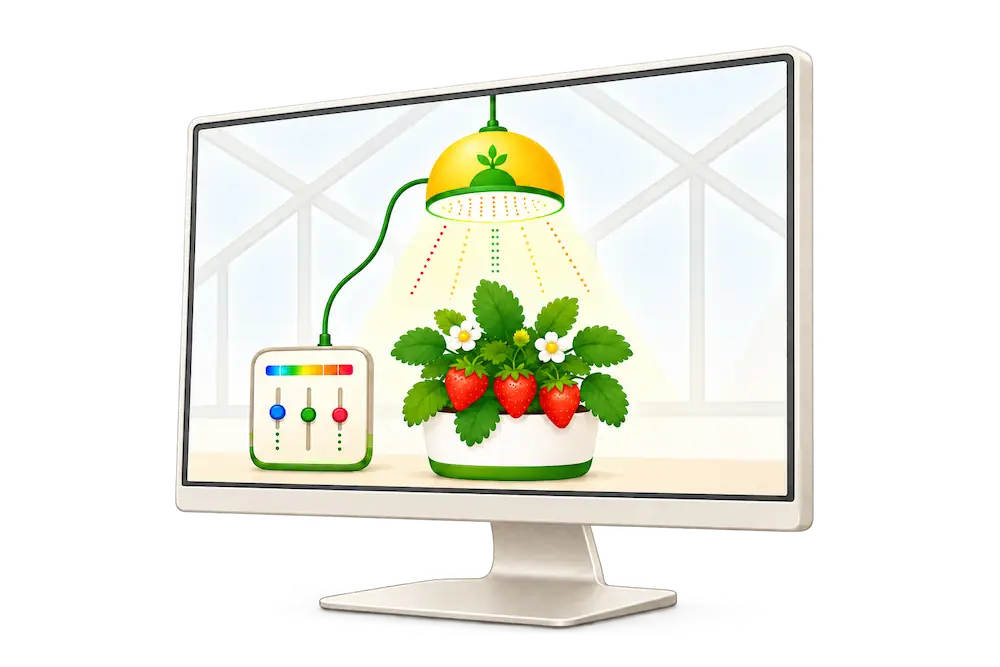
Walk Through the Strawberry Trial on Your Own Computer
Download the Photophil Dynamix strawberry growth simulation to explore the standard and patented lighting side by side, along with the full investor briefing. Unzip the file and open Photophildynamix.exe. No installation needed.
- Windows 10 / 11, 64-bit
- 214 MB ZIP
- Free
The Technology
A Measured Protocol for Higher Yield, Faster Cycles, and Better Crops
The system runs a patent-pending protocol tailored to each crop and growth stage, continuously optimised by machine learning from plant-status sensors.
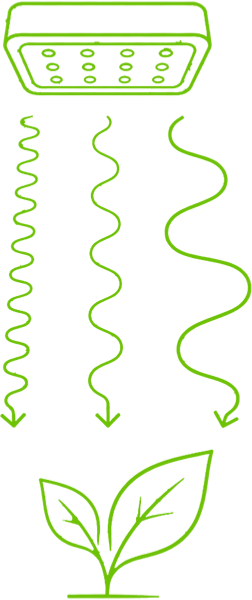
Wavelengths
The system delivers light across three ranges. The visible band drives photosynthesis directly. The near-infrared range overlaps with what mainstream horticultural LEDs reach, used here for stage-specific signalling. The far-infrared range is where the system extends past the industry standard.
When long wavelengths reach the leaf, pigment clusters absorb the light and transfer the energy to the photosynthetic reaction center, increasing photosynthetic efficiency. Each band is positioned within a transmission window where water inside the leaf absorbs less light, so energy penetrates plant tissue rather than being captured at the surface.
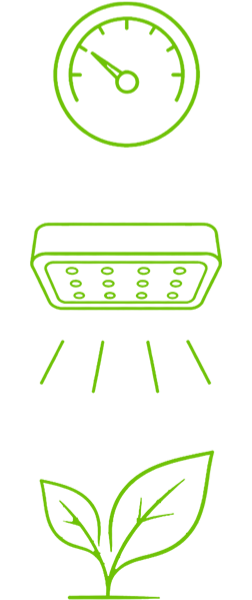
Intensities
The system operates at intensities deliberately set below natural sunlight, enabling high-energy photochemical reactions under relatively low-intensity illumination. Measured infrared intensity within the chambers is approximately one-twelfth of solar IR at sea level, with cooling fans on the apparatus managing residual heat.
Every intensity in the program is measured with a calibrated photometer and recorded against a control cell receiving only visible light. The control software continuously optimises intensities and wavelengths in response to incoming sensor data, with alerts sent to the grower when intervention is warranted.
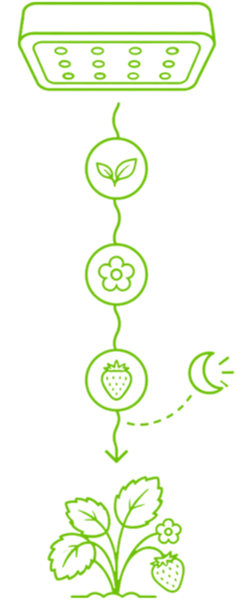
Timing
Across the growth cycle, the program switches its spectrum three times: vegetative growth runs on a base spectrum, flowering activates additional bands to drive reproductive development, and ripening shifts the system into its full-IR configuration to drive cell expansion and Brix accumulation. The software identifies the plant’s current phase from sensor data, adapting the schedule to the plant’s response.
Each day, a second timing layer runs after the white-light cycle ends: a darkness program of low, gradually-rising IR illumination, mimicking the post-sunset signalling plants evolved under, at intensities low enough to avoid heat stress.
Meet The Team
The People Behind The Technology
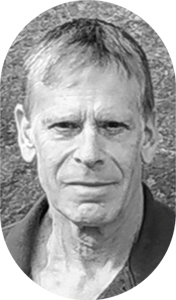
Dr. Gur Ariye Yehuda Braun, PhD
Founder & Chief Scientist
Photosynthesis biophysicist trained at the Weizmann Institute.
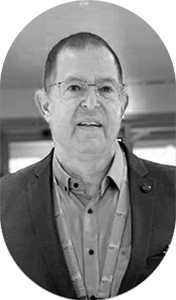
Pini Tovi, BA
Chief Technology Officer
Hardware engineer with 30+ years of epxerience in lighting R&D.

Shachar Gino
Software Developer
Yoel Silverman
Lead Researcher
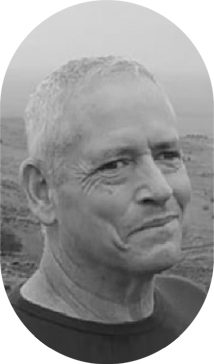
Yoram Keisar, MBA, BA
Chief Financial Officer
30+ years in agricultural business financial management.
Get Started
Prove It In Your Own Facility Before You Write a Cheque.
We’ll install side-by-side cells in your existing operation, run our full protocol on your crop and hand you the measured data.
- No retrofit.
- No commitment.
- Your crop, your conditions.